


The Complete Homeowner’s Guide to Lead Pipe Replacement in the UK
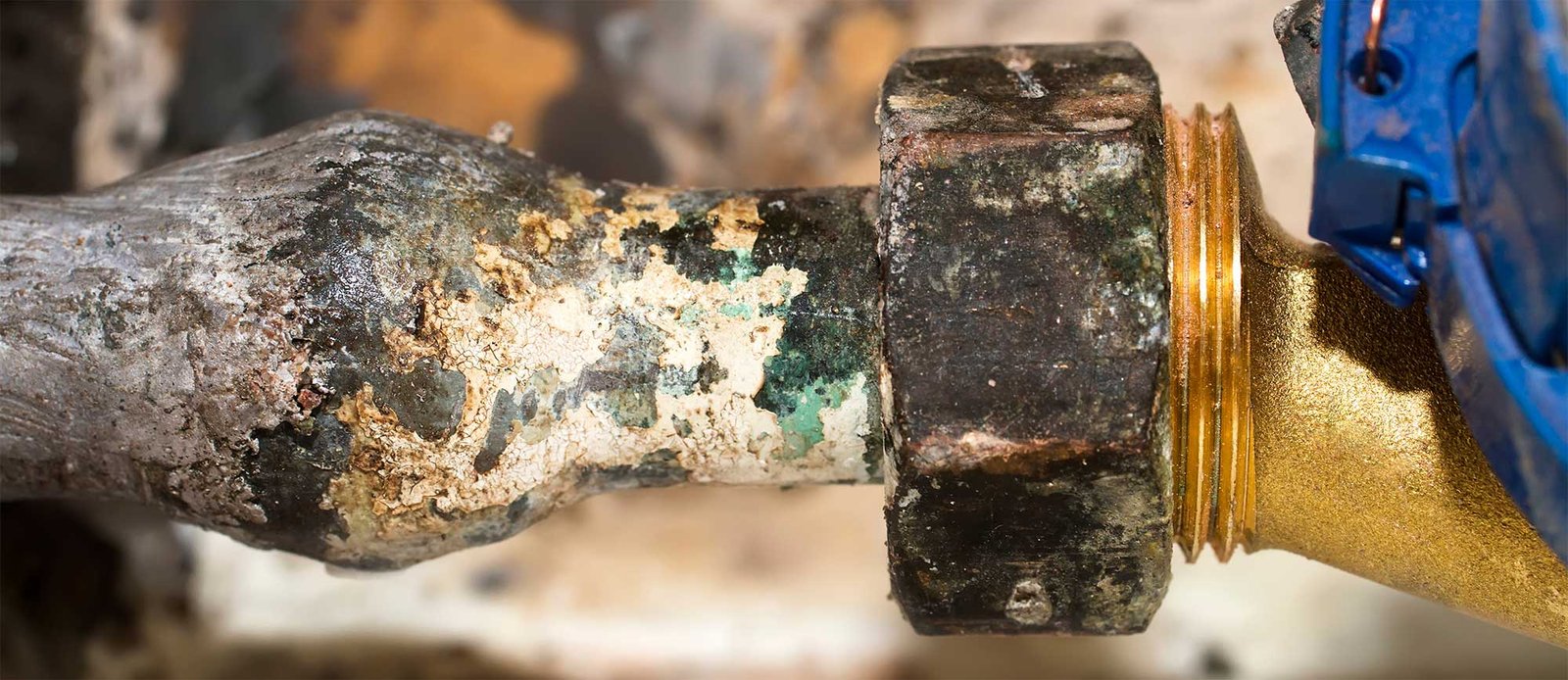
Lead pipes were once commonly used in UK homes for water supply, particularly in properties built before the 1970s. While durable at the time, we now know that lead poses serious health risks. If your home still has lead piping, understanding lead pipe replacement is essential for protecting your family’s health and improving water quality.
This guide explains everything UK homeowners need to know from identifying lead pipes to replacement options, costs, and legal responsibilities.
What Are Lead Pipes and Why Are They Dangerous?
Lead pipes were historically used to transport drinking water from the mains to properties. Over time, lead can leach into the water, especially when pipes corrode or water sits unused.
Health risks of lead exposure include:
-
Developmental issues in children
-
Learning and behavioural problems
-
Kidney and nervous system damage
-
Increased blood pressure in adults
There is no safe level of lead in drinking water, which is why lead pipe replacement is strongly recommended.
How to Identify Lead Pipes in Your Home
Many homeowners are unsure whether their property has lead pipes. Fortunately, there are several ways to check.
Common signs of lead pipes:
-
Dull grey colour (not shiny like copper)
-
Soft metal that scratches easily
-
Pipes often found near the stop tap or under sinks
-
Homes built before 1970 are at higher risk
Simple scratch test:
Gently scratch the pipe with a coin:
-
Shiny silver = likely lead
-
Copper colour = copper pipe
If you are unsure, a professional plumber or water supplier can confirm it for you.
Legal Responsibilities in the UK
In the UK, responsibility for pipes is shared:
-
Homeowners are responsible for pipes within their property boundary
-
Water companies are responsible for pipes outside the boundary
However, full lead pipe replacement is most effective when both sections are replaced at the same time. Many water suppliers offer support or partial funding if homeowners upgrade their side of the supply.
Lead Pipe Replacement Options
There are several modern materials used to replace lead pipes. A professional plumber can advise on the best option for your property.
Common replacement materials:
-
Copper pipes
-
Durable and widely used
-
Resistant to bacteria
-
-
Plastic (MDPE) pipes
-
Flexible and corrosion-resistant
-
Often more cost-effective
-
-
PEX pipes
-
Increasingly popular
-
Long lifespan and easy installation
-
Each option is safe for drinking water and fully compliant with UK regulations.
The Lead Pipe Replacement Process
Understanding the process can help you prepare and minimise disruption.
Typical steps involved:
-
Inspection and confirmation of lead pipes
-
Coordination with your water supplier
-
Excavation (if underground pipes are involved)
-
Removal of lead piping
-
Installation of new approved materials
-
Testing water quality after completion
Most domestic lead pipe replacement projects can be completed within 1–2 days, depending on access and pipe length.
Cost of Lead Pipe Replacement in the UK
Costs vary depending on the complexity of the job, pipe length, and location.
Average cost ranges:
-
£1,500 – £3,000 for standard homes
-
Higher costs for difficult access or long pipe runs
Factors affecting cost:
-
Distance from water main
-
Ground type (concrete, soil, paving)
-
Internal plumbing modifications
-
Local labour rates
Some water companies offer grants or contribution schemes, so it’s worth checking before starting work.
Can You Reduce Lead Without Replacement?
While lead pipe replacement is the best long-term solution, temporary measures can reduce exposure.
Short-term alternatives:
-
Use NSF-certified water filters
-
Flush taps before using water
-
Avoid using hot tap water for drinking or cooking
These methods help but do not eliminate the risk, making full replacement the safest option.
Benefits of Lead Pipe Replacement
Replacing lead pipes offers both health and property benefits.
Key advantages:
-
Safer, cleaner drinking water
-
Improved water pressure and flow
-
Compliance with UK health guidelines
-
Increased property value
-
Peace of mind for homeowners
For families with children or pregnant women, lead pipe replacement is especially important.
Choosing the Right Professional
Selecting a qualified plumber ensures the work is done safely and legally.
What to look for:
-
Experience with lead pipe replacement
-
Accreditation and insurance
-
Familiarity with local water supplier requirements
-
Clear, written quotes
-
Positive customer reviews
Always confirm that materials meet UK Water Regulations.
Final Thoughts
Lead pipes may be hidden, but the risks they pose are very real. If your property still relies on outdated lead plumbing, taking action is crucial. Lead pipe replacement is a worthwhile investment in your health, your home, and your future.
By identifying the problem early, understanding your responsibilities, and working with qualified professionals, UK homeowners can ensure safe, clean water for years to come.
