


Best Way to Clean Builders Dust From Windows & Glass
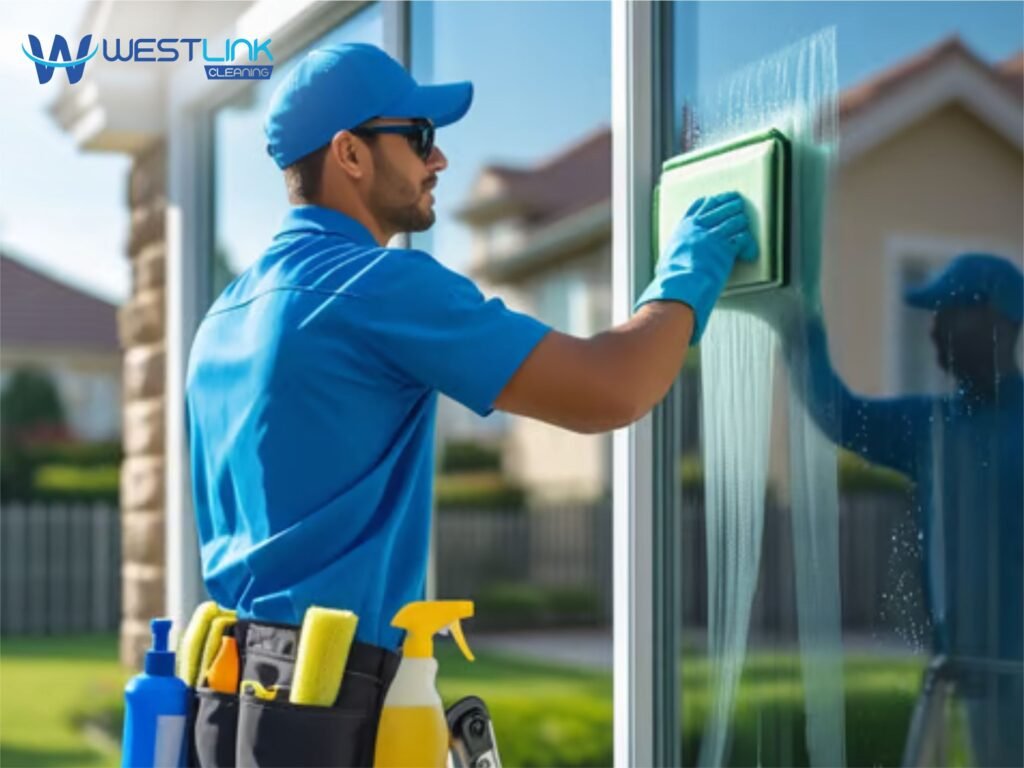
Best Way to Clean Builders Dust From Windows & Glass
Builders dust is that fine, powdery mess left behind after construction or renovation work, like from cutting drywall or mixing cement, which clings to windows and glass surfaces. Cleaning it properly is important because it can make your home look hazy and dull, and if not removed correctly, it might scratch the glass or trigger allergies from breathing in the particles. Knowing the best way to clean builders dust from windows and glass helps restore clarity and keeps your space fresh, safe, and spotless.
What Makes Builders Dust So Tricky?
Builders dust, also known as construction residue, is made up of tiny particles that stick tightly to smooth surfaces like glass because of static electricity. Unlike regular household dust, it's often gritty and can come from materials such as plaster or sand, making it harder to wipe away without leaving streaks. This dust builds up during home improvements, turning clear windows into foggy panels that block natural light. Understanding its nature helps you choose gentle methods to avoid damage. Proper removal ensures your glass stays scratch-free and shiny.
Gathering the Right Tools and Materials
To tackle construction dust on glass, start with basic items like a soft microfiber cloth, which picks up fine particles without scratching. You'll also need a mild soap solution, white vinegar for natural cleaning, and a squeegee to pull away water and residue. A vacuum with a brush attachment is great for sucking up loose dust first. Avoid harsh chemicals that could harm the glass frames. These simple supplies make the process efficient and safe for everyday use.
Preparing Your Space Before Cleaning
Before diving into removing builders dust from windows, clear the area around them by moving furniture or covering floors with old sheets to catch falling particles. Open nearby doors or windows for good airflow, which helps dust blow away instead of resettling. Turn off fans or air conditioners to prevent spreading the fine powder around the room. This setup keeps your home tidy during the task. It also reduces the chance of inhaling dust, making the job healthier.
Step-by-Step Guide to Dust Removal
First, use a dry brush or vacuum to gently sweep off loose construction residue from the glass and frames, starting from the top to avoid re-dirtying lower areas. Mix a solution of warm water, dish soap, and a splash of vinegar, then apply it with a soft cloth in circular motions to break down the stubborn particles. Rinse with clean water using a spray bottle, and immediately squeegee from top to bottom for a streak-free finish. Dry any edges with a lint-free towel to prevent water spots. This method, often seen as the best way to clean builders dust, restores clarity without harsh scrubbing. For example, on a large patio door, work in sections to keep the solution from drying too quickly.
Handling Tough Spots and Streaks
Sometimes, builders dust leaves behind stubborn spots from dried cement or paint splatters on glass surfaces. Soak these areas with the vinegar mixture for a few minutes to soften the grime, then gently scrape with a plastic scraper to avoid scratches. Wipe away the loosened residue with a damp cloth, and repeat if needed for complete removal. Common problems like hazy streaks often come from using too much soap, so rinse thoroughly each time. This approach ensures even the trickiest bits disappear, leaving windows crystal clear. Expected results include brighter rooms and no visible marks, making your space feel brand new.
Tips for Maintaining Clean Glass After Construction
After cleaning off the construction dust, apply a thin layer of glass polish or a DIY mix of cornstarch and water to create a barrier against future buildup. Regularly dust frames with a soft brush every week to catch particles early. In high-dust areas like near ongoing renovations, use window screens or plastic covers temporarily. These habits prevent the need for deep cleans often. You'll notice less effort required over time, keeping your views unobstructed.
When to Seek Professional Help
If the builders dust covers a large area, like multiple floors of windows, or if it's mixed with hazardous materials from old buildings, consider calling in experts. Professionals have industrial vacuums and safe solvents that handle heavy residue without risking damage to delicate glass. This is especially useful for high or hard-to-reach spots where ladders are involved. DIY methods work for most homes, but pros ensure thorough results quickly. Knowing your limits keeps the process stress-free.
Cleaning builders dust from windows and glass doesn't have to be overwhelming if you follow a simple, step-by-step approach with the right tools. Start by understanding the dust and preparing your space, then gently remove it using mild solutions and proper techniques to avoid common issues like scratches or streaks. Maintaining the glass afterward helps prevent quick re-dirtying, saving time in the long run. The main takeaway is that patience and gentle methods lead to sparkling results, making your home brighter and healthier. Always prioritize safety to enjoy the process.
FAQs
What is builders dust exactly?
Builders dust is fine powder from construction materials like drywall, cement, or wood, which settles on surfaces during renovations and can be gritty or sticky.
Can I use newspaper to clean glass?
Yes, crumpled newspaper works well for polishing after rinsing, as it absorbs moisture without leaving lint, but pair it with a vinegar solution for best results.
How often should I clean windows after construction?
Clean them right after the work ends, then weekly for the first month to catch any lingering particles, depending on how dusty your area remains.
What if the dust scratches my glass?
Prevent scratches by avoiding abrasive tools; if they occur, a glass repair kit can buff minor ones, but deep scratches may need professional fixing.
Is vinegar safe for all glass types?
Vinegar is safe for most windows and mirrors, but test on tinted or coated glass first to ensure it doesn't affect the finish.
