


Cactus Plant Flea Market Style as a Rebellion Against Fashion Rules
Why CPFM Rejects Traditional Fashion Structure
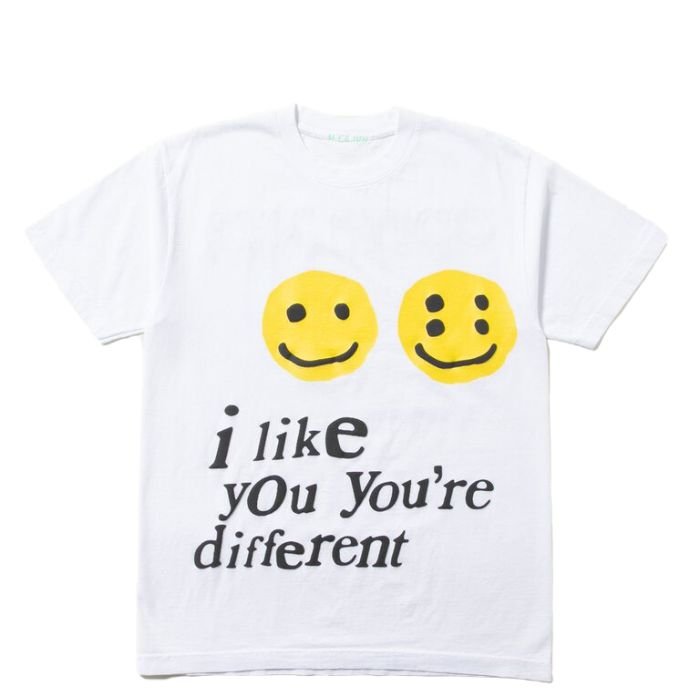
Cactus Plant Flea Market does not follow the usual fashion rulebook. There are no clean lines, no predictable palettes, and no rigid silhouettes. Instead, CPFM embraces disorder. Graphics overlap. Text feels hand-drawn. Proportions feel intentionally off.
This rejection of structure is not accidental. It is a creative stance. CPFM challenges the idea that fashion must be polished, symmetrical, or restrained to be valuable.
Breaking the Myth of Perfect Design
In conventional fashion, perfection is often the goal. CPFM moves in the opposite direction. Imperfect typography, uneven graphics, and distorted visuals become the highlight rather than the flaw.
These imperfections feel human. They reflect real emotion rather than manufactured precision. CPFM proves that raw creativity can be more compelling than technical perfection.
Oversized Fits as Rule-Breaking Statements
CPFM frequently uses oversized silhouettes that defy tailoring norms. Hoodies hang loose. Shirts drape freely. Shapes ignore the body’s traditional lines.
This approach rejects the idea that clothing must sculpt or define the body. Instead, it prioritizes comfort, freedom, and emotional expression. The wearer controls the narrative, not the cut.
Graphics That Refuse to Behave
Most brands treat graphics as controlled branding elements. CPFM treats them like spontaneous thoughts. Smiley faces appear oversized. Text feels scribbled. Logos stretch, bend, or hide.
These graphics refuse discipline. They feel playful, chaotic, and expressive. This visual rebellion invites wearers to embrace unpredictability in their own style.
Color Choices That Disrupt Expectations
CPFM’s color palettes often clash intentionally. Neon meets muted tones. Earthy shades sit beside bold primaries. There is no attempt to harmonize in the traditional sense.
This disruption forces attention. It challenges the idea that colors must complement perfectly. Instead, CPFM shows that contrast can be expressive, emotional, and memorable.
Fashion Without Gender Boundaries
Cactus Plant Flea Market avoids strict gender definitions. Many pieces are designed to be worn by anyone, regardless of identity. Fits, colors, and graphics are inclusive by design.
This fluidity breaks long-standing fashion rules and allows wearers to choose based on feeling rather than labels. Style becomes personal, not prescribed.
Humor as a Form of Rebellion
Humor plays a critical role in CPFM’s rule-breaking identity. Smiley faces, ironic text, and playful visuals challenge fashion’s seriousness. The brand reminds people that clothing can be joyful and absurd.
By refusing to take itself too seriously, CPFM undermines elitism and opens fashion to emotional connection rather than status signaling
Unpredictable Drops That Ignore Calendars
Traditional fashion follows seasons and schedules. CPFM does not rely heavily on fashion calendars. Releases feel spontaneous, surprising, and instinctive.
This unpredictability breaks industry norms and keeps audiences engaged. Fashion becomes reactive and emotional rather than planned and formulaic.
DIY Energy Over Luxury Formality
CPFM designs often feel handmade, almost DIY. This aesthetic contrasts sharply with luxury fashion’s obsession with refinement. The brand celebrates rawness, texture, and visible effort.
This DIY energy empowers wearers. It suggests that creativity matters more than polish, and expression matters more than price tag
Logos That Don’t Demand Attention
Many brands use logos to assert dominance. CPFM distorts its logos, hides them, or turns them into playful elements. Branding becomes secondary to expression.
This approach breaks the rule that visibility equals value. CPFM allows wearers to enjoy identity without broadcasting status.
Styling Without Instructions
CPFM pieces do not come with styling rules. They can be layered, clashed, oversized, or minimal. The brand encourages experimentation rather than conformity.
This freedom invites personal creativity. Every outfit becomes a unique interpretation rather than a prescribed look.
Why Chaos Feels Honest
The chaotic aesthetic reflects real life. Emotions are messy. Thoughts overlap. CPFM mirrors this reality through design. The clothing feels alive rather than staged.
This honesty resonates with wearers who reject curated perfection and embrace authenticity.
Breaking the Hierarchy of Fashion
CPFM blurs the line between high fashion and streetwear. Its pieces appear on runways and sidewalks alike. There is no hierarchy—only expression.
This collapse of fashion class systems redefines what is considered valuable or stylish.
Influence on Rule-Breaking Designers
Many emerging designers cite CPFM as inspiration. The brand proves that breaking rules can lead to success rather than rejection. Creativity becomes permission-based rather than restricted.
This influence reshapes the future of streetwear and experimental fashion.
Fashion as Emotional Protest
CPFM’s style can be seen as quiet protest. It challenges consumerism, uniformity, and visual obedience. The clothing communicates resistance without aggression.
This subtle rebellion makes CPFM powerful. It invites thought without forcing ideology.
Why Rule-Breaking Feels Liberating
Wearing CPFM often feels freeing. There is no pressure to look perfect. No fear of mismatch. The clothing allows people to exist as they are.
This liberation transforms fashion into emotional support rather than social performance.
Cactus Plant Flea Market as Creative Freedom
CPFM does not just break fashion rules—it questions why they exist at all. Its style encourages play, emotion, and individuality. It reminds people that fashion is a tool for expression, not restriction.
In a world obsessed with order and perfection, Cactus Plant Flea Market stands as a reminder that chaos can be beautiful, and rules are optional.
