


How Scammers Build Trust Before Executing Moving Scams
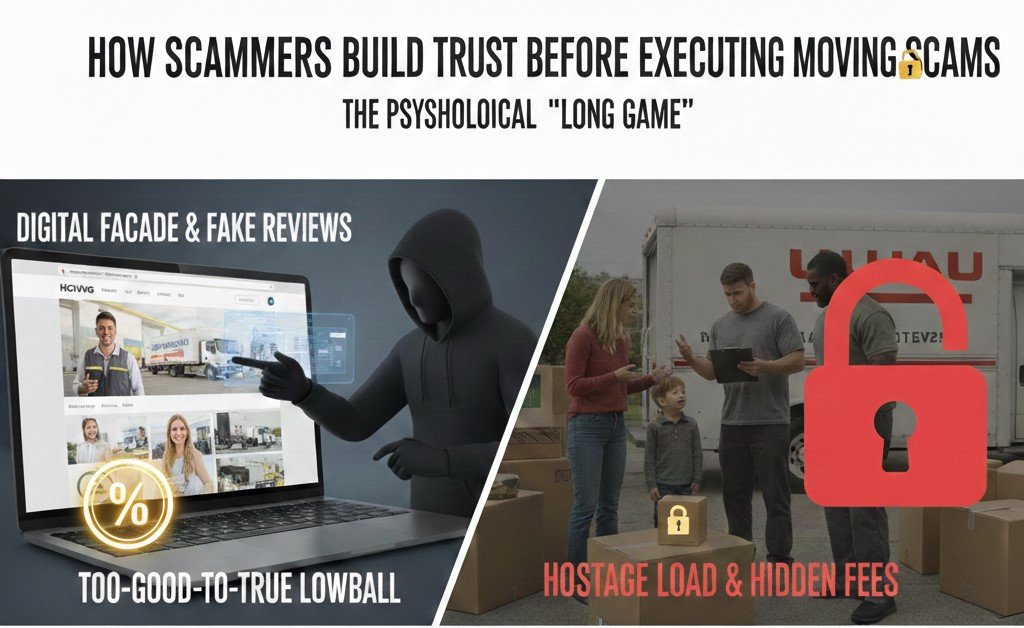
Moving is one of those life events that feels hopeful and stressful at the same time. A person standing in front of you might say they just want everything to go smoothly and safely. But what many people do not realize is that the real danger sometimes starts before moving day even arrives.
Scammers do not begin with threats or suspicious behavior. They begin with trust, friendliness, and professionalism, which makes the situation confusing for victims later.
That is exactly why understanding their process is more important than ever today.
How Trust Becomes the First Step in Moving Fraud
When someone is preparing for a move, they are already mentally overloaded. There are timelines, packing, address changes, and emotional adjustments. Scammers understand this mental pressure and use it to their advantage. Instead of rushing, they slowly position themselves as helpers.
The Psychology Behind Trust Building
A scammer knows that people are more likely to believe someone who seems confident, calm, and knowledgeable. They use professional language, speak clearly, and respond quickly to messages. This creates an impression of reliability.
In many cases, victims later say the company “felt real” or “sounded experienced.” That feeling of comfort is intentional. Scammers mirror the communication style of legitimate moving businesses, so nothing feels out of place at first.
Professional Appearance Creates False Confidence
A person might tell you, “The website looked perfect, so I never doubted them.” That is one of the most common starting points. Scammers invest in polished logos, clean website designs, and professional email signatures.
Why Visual Trust Works So Well
People naturally associate clean design with legitimacy. When a company looks established online, it reduces suspicion. Fake testimonials, copied license numbers, and stock images of trucks are often used to support the illusion.
This is also where many people begin reading Moving Scam Stories, where victims share how convincing these companies looked before everything went wrong.
Friendly Communication That Feels Personal
Another person standing in front of you might say, “They were so nice on the phone.” That friendliness is not random. Scammers build emotional comfort before discussing money.
Relationship Before Transaction Strategy
They ask about the new home, the city, and the moving date. They may even give packing advice. This lowers defenses because the interaction feels human rather than transactional.
The Low Estimate That Wins Immediate Trust
This stage is where logic often loses to emotion. The quote sounds affordable and reasonable. It feels like a lucky break during an expensive life event.
Why Cheap Quotes Feel Safe Instead of Suspicious
People are conditioned to compare prices. When one estimate is significantly lower, it creates relief rather than doubt. Scammers rely on that emotional reaction.
At this point, consumer education becomes critical, which is why experts suggest reviewing How To Avoid Moving Scams to understand price manipulation tactics.
Avoiding Accurate Inspections on Purpose
Legitimate movers usually want detailed information or visual confirmation of belongings. Scammers often skip this step.
Vague Agreements Lead to Later Charges
Without a proper inspection, everything remains flexible. On moving day, scammers can claim the load is larger than expected, leading to surprise fees.
The Deposit Pressure Moment
After trust, friendliness, and a good price, the conversation shifts toward securing the date.
Urgency as a Manipulation Tool
Scammers say slots are filling quickly. They suggest that without a deposit, the move cannot be guaranteed. The pressure feels practical rather than suspicious.
Fake Reviews That Reinforce Belief
A person might tell you they checked reviews and saw many positive comments. That step actually strengthens the scammer’s position.
Social Proof and Human Behavior
When people see others claiming satisfaction, they assume safety. Scammers copy real review styles and use generic praise to create volume.
Key Warning Signs to Remember
-
Quotes far lower than competitors
-
Requests for large upfront deposits
-
No physical address verification
-
Avoidance of in-home or video surveys
-
Contracts with vague wording
-
Pressure to decide immediately
Recognizing the Pattern
Scammers do not start with theft. They start with trust. Every friendly call, low estimate, and professional detail is part of a sequence designed to lower defenses gradually.
Recognizing that sequence early is the strongest protection. Awareness turns vulnerability into caution, and caution prevents loss.
