


Acoustic Protection: A Complete Guide to Creating Quieter, Healthier Spaces
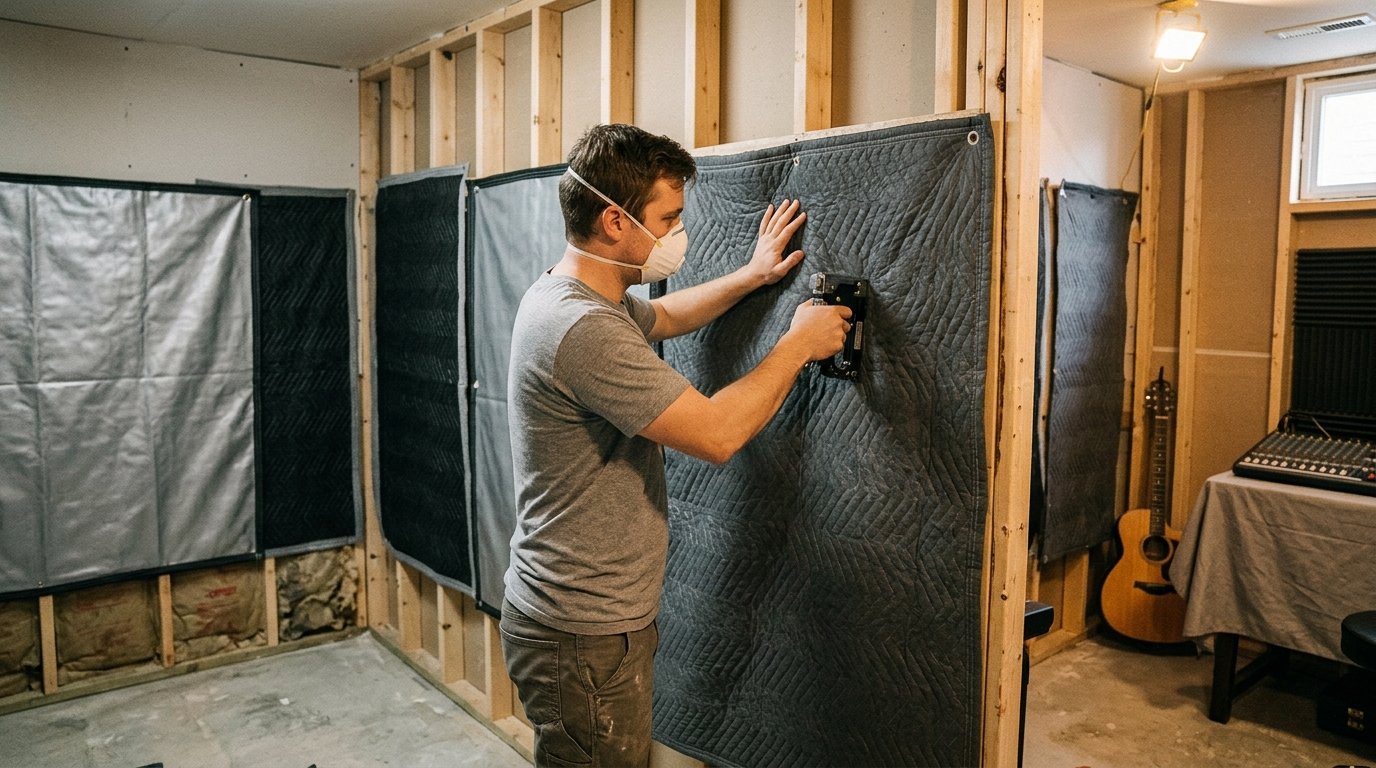
In today’s fast-paced world, noise pollution has become an unavoidable part of daily life. From traffic and construction to loud neighbors and office chatter, constant exposure to noise can impact productivity, sleep quality, and even long-term health. This is where acoustic protection plays a crucial role. Whether in homes, offices, studios, or commercial buildings, proper acoustic protection helps control unwanted sound and create a more comfortable environment.
What Is Acoustic Protection?
Acoustic protection refers to the methods and materials used to reduce, block, or control sound transmission between spaces. Unlike basic sound absorption, which minimizes echo within a room, acoustic protection focuses on limiting how sound travels through walls, ceilings, floors, doors, and windows.
Effective acoustic protection is built on four main principles: mass, damping, decoupling, and sealing. The more mass a barrier has, the harder it is for sound waves to pass through. Damping reduces vibration energy. Decoupling separates structures to prevent sound transfer, and sealing closes air gaps that allow sound leakage.
Why Acoustic Protection Matters
Excessive noise is more than an inconvenience—it can affect concentration, communication, and overall well-being. In workplaces, uncontrolled noise reduces productivity and increases stress. In residential spaces, it interferes with sleep and relaxation. In studios and commercial environments, poor acoustic protection compromises sound quality and professionalism.
Implementing proper acoustic protection improves privacy, enhances focus, and ensures compliance with building and workplace standards. It also increases property value by creating more functional and comfortable spaces.
Best Materials for Acoustic Protection
Choosing the right materials is essential for effective results. Some of the most commonly used acoustic protection materials include:
-
Mass-loaded vinyl (MLV): A dense, flexible material that adds mass to walls and ceilings.
-
Mineral wool insulation: Excellent for reducing airborne sound within wall cavities.
-
Acoustic drywall: Designed to block more sound than standard drywall.
-
Acoustic sealant: Prevents sound leakage through small gaps and cracks.
-
Solid-core doors: Reduce sound transmission compared to hollow-core doors.
Layering these materials often delivers better performance than relying on a single solution.
Acoustic Protection for Homes
In residential settings, acoustic protection can dramatically improve quality of life. Bedrooms benefit from insulated walls and soundproof curtains to reduce outside traffic noise. Home offices need sealed doors and acoustic panels to maintain privacy during meetings. Apartments can use rugs, underlayment, and added wall mass to reduce noise from neighboring units.
Even small upgrades—like weatherstripping doors or sealing window gaps—can provide noticeable improvements.
Acoustic Protection for Offices and Commercial Spaces
Modern offices, especially open-plan layouts, require strategic acoustic protection. Conference rooms should include insulated partitions and sound-sealing doors. Acoustic panels and ceiling treatments help reduce sound reflection, while dense barriers between shared walls enhance privacy.
In commercial environments such as restaurants or healthcare facilities, acoustic protection contributes to customer comfort and regulatory compliance.
Common Mistakes to Avoid
One common misconception is confusing acoustic foam with full soundproofing. Foam reduces echo but does not effectively block sound transmission. Another mistake is ignoring gaps around doors, vents, and outlets. Even minor openings can undermine an otherwise solid acoustic setup.
For best results, combine mass, damping, and proper sealing techniques.
Final Thoughts
Acoustic protection is an investment in comfort, productivity, and well-being. By understanding how sound travels and selecting the right materials, you can create quieter, more functional spaces in homes and workplaces alike. Whether you're building a new property or upgrading an existing one, thoughtful acoustic protection ensures long-term benefits and a noticeable reduction in unwanted noise.
