


How to Maintain Your New Braunfels Historic Home Exterior
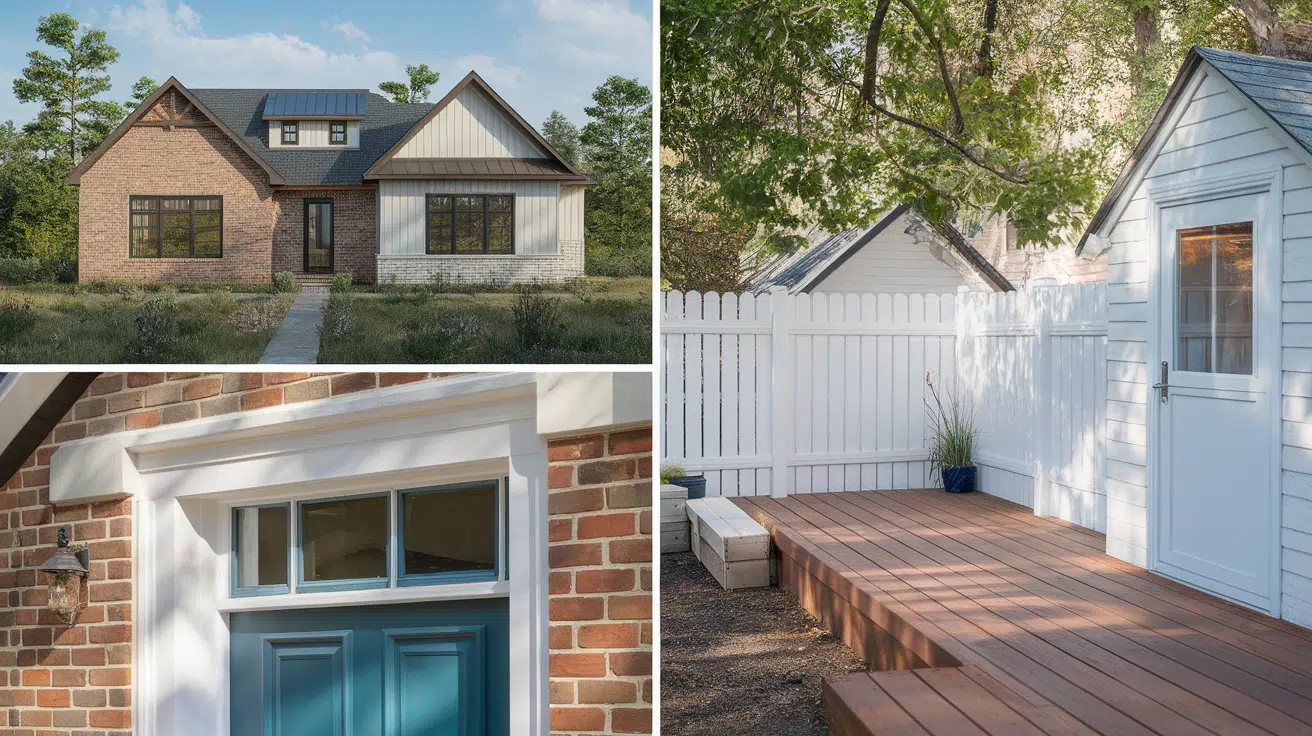
Why Historic Home Exterior Maintenance Matters
Your New Braunfels historic home exterior requires regular attention to preserve its character and protect your investment. Historic materials like old growth wood, limestone, and original plaster need different care than modern materials. Regular maintenance prevents small problems from becoming major repairs. It preserves the architectural details that make your home special. It protects property value in historic districts. Understanding how to properly maintain your historic home exterior ensures it remains beautiful for future generations.
How Often Should I Inspect My Historic Home Exterior
Regular inspections help you catch problems before they become serious. Walk around your New Braunfels historic home every spring and fall to inspect exterior surfaces. Look for signs of paint failure including peeling, cracking, or bubbling. Check areas where water might collect like window sills, door frames, and corners. Inspect wood trim for soft spots that indicate rot. Look for cracks in stucco or masonry. After heavy storms, do an additional quick inspection. Early detection saves money and preserves historic materials.
Historic Home Exterior Inspection Checklist
-
Check painted surfaces for peeling, cracking, or bubbling
-
Inspect window sills and door frames for soft wood
-
Look for cracks in stucco or masonry
-
Check caulking around windows and doors
-
Inspect gutters and downspouts for proper drainage
-
Look for signs of insect damage
-
Check foundation for cracks or moisture
How Do I Clean Historic Home Exterior Surfaces
Gentle cleaning protects historic materials while removing dirt and mildew. For painted wood, use a garden hose with a spray nozzle rather than pressure washing which can damage soft wood and force water behind paint. Use a soft brush with mild detergent for stubborn areas. For limestone and masonry, avoid harsh chemicals that can damage the stone. Use gentle cleaning methods appropriate for historic materials. Never use abrasive cleaners or tools that can scratch or erode historic surfaces.
Mildew Management on Historic Homes
Mildew appears as dark spots on painted surfaces, especially in shaded areas. New Braunfels humidity creates conditions where mildew thrives. When you see mildew, clean it promptly before it spreads. Mix water with mild bleach or use commercial mildew cleaner. Apply with a soft brush, let sit for 5 to 10 minutes, then rinse thoroughly. Never scrub aggressively as this can damage historic paint. Prompt mildew removal prevents it from penetrating the paint film and causing permanent staining or damage.
How Do I Maintain Historic Wood Siding
Historic wood siding needs special care to prevent rot and deterioration. Inspect annually for soft spots that indicate rot. Check around windows, doors, and corners where moisture collects. Keep gutters clear to prevent water from running down walls. Ensure downspouts direct water away from the foundation. Trim vegetation that traps moisture against siding. Touch up any areas where paint has failed promptly. Address moisture problems immediately to prevent wood rot from spreading.
How Do I Maintain Historic Masonry and Limestone
Many New Braunfels historic homes feature limestone foundations or entire walls. These materials need breathable maintenance. Avoid sealing limestone with non-breathable coatings that trap moisture. Check for efflorescence, white powdery deposits that indicate moisture moving through the stone. Address any drainage issues that allow water to stand against masonry. Repoint mortar when it shows signs of deterioration. Use appropriate lime-based mortars for historic masonry rather than modern Portland cement.
How Do I Maintain Historic Windows
Original windows are valuable historic features that need proper care. Check window sills for soft wood that indicates rot. Inspect caulking around window frames and replace when failed. Ensure windows open and close properly. Touch up any peeling paint promptly. Consider storm windows for energy efficiency while preserving original windows. Never replace historic windows with modern units without considering the impact on historic character.
How Do I Manage Vegetation Around Historic Homes
Vegetation management is essential for protecting historic home exteriors. Trees, shrubs, and vines touching painted walls cause moisture problems. Branches rub against surfaces, wearing away paint over time. Leaves and debris trap moisture against walls, promoting mildew and paint failure. Vines hold moisture against walls and provide pathways for insects. Regularly trim vegetation to maintain at least six inches of clearance between plants and painted surfaces. This simple step prevents many common problems.
How Do I Maintain Gutters and Downspouts
Proper water management is essential for historic home protection. Gutters and downspouts direct rainwater away from your home walls and foundation. When gutters are clogged, water overflows and saturates siding and trim. This causes paint to bubble and peel. It can lead to wood rot on historic trim. Clean gutters twice yearly and after heavy storms. Make sure downspouts extend at least six feet from foundation walls. Repair any leaks or sagging gutters promptly.
How Often Should Historic Homes Be Repainted
Quality exterior paint on historic homes typically lasts five to seven years in New Braunfels. Premium paints and proper maintenance can extend this to seven to ten years. However, south and west facing walls may need attention sooner. Watch for signs of paint failure including fading, chalking, cracking, or peeling. Plan repainting before damage occurs to protect historic materials. Regular repainting is preventive maintenance that preserves your historic home.
Quick Historic Home Maintenance Schedule
Here is what to do each season to maintain your New Braunfels historic home:
-
Spring: Full exterior inspection, clean surfaces, address winter damage
-
Summer: Monitor for mildew, maintain vegetation clearance
-
Fall: Full exterior inspection, clean gutters, touch up paint as needed
-
Winter: Monitor for ice damage, check interior for leaks
Why Choose Professional Painters for Historic Home Maintenance
Experienced painters in New Braunfels, TX understand how to maintain historic home exteriors properly. Hendrick Painting has been serving New Braunfels since 1999. Our team is EPA Lead Safe Certified for pre-1978 homes. We know the unique needs of historic materials. We spot problems homeowners might miss. We provide quality maintenance that preserves your historic home for future generations.
Conclusion
Maintaining your New Braunfels historic home exterior requires regular attention and understanding of historic materials. Inspect twice yearly in spring and fall. Clean gently with mild detergent and soft brush. Address mildew promptly before it spreads. Maintain wood siding by keeping gutters clear and touching up failed paint. Care for masonry with breathable approaches. Trim vegetation to maintain clearance from walls. Plan repainting every five to seven years. With proper maintenance, your historic home will remain beautiful for future generations to appreciate.
Frequently Asked Questions
How often should I inspect my historic home exterior
Inspect your historic home exterior twice yearly in spring and fall. Pay special attention after severe storms or extreme weather events. Regular inspections catch problems early before they become serious.
Can I pressure wash my historic home
Pressure washing can damage historic wood siding and force water behind paint. Use a garden hose with a spray nozzle for regular cleaning. If pressure washing is needed for masonry, use low pressure and keep the nozzle at least 12 inches from surfaces.
What causes paint to peel on historic homes
Peeling usually indicates moisture problems. Water getting behind paint through failed caulking, roof leaks, or clogged gutters causes adhesion failure. Address the moisture source before repairing paint to prevent recurrence.
How do I prevent mildew on my historic home
Use paint with mildewcides. Trim vegetation to improve airflow. Clean painted surfaces regularly. Ensure gutters direct water away from walls. Address moisture problems promptly. Proper ventilation is key to mildew prevention.
Is historic home maintenance worth the effort
Yes. Regular maintenance preserves the character and value of your historic home. Small efforts like inspections, cleaning, and touch ups prevent costly repairs. Historic homes that are well maintained retain their value and significance.
When should I call a professional for historic home maintenance
Call professionals for any work involving lead paint, heights, or extensive repairs. EPA Lead Safe Certified contractors must handle lead paint. Professional painters have the expertise to maintain historic materials properly.
