


What Makes Hospital Furniture Essential for Modern Healthcare Facilities?
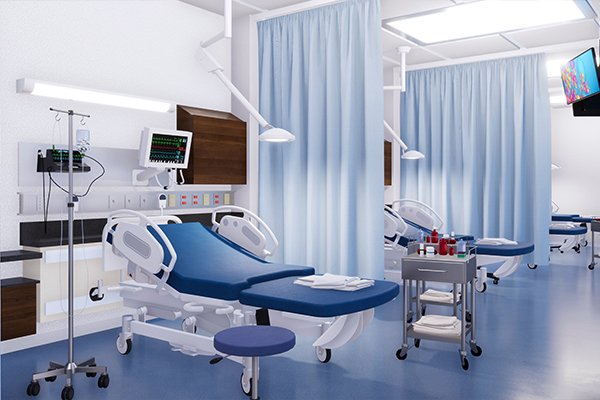
Hospital furniture plays a vital role in delivering quality healthcare services. From patient comfort to medical staff efficiency, the right equipment directly impacts hospital operations. Whether it’s a large medical center, private clinic, or specialized healthcare unit, choosing high-quality hospital furniture is critical for safety, hygiene, and long-term durability.
Modern healthcare environments require furniture that is functional, ergonomic, easy to clean, and compliant with medical standards. In this guide, we will explore different types of hospital furniture, their importance, key features, and how to select the best options for healthcare facilities.
Why Hospital Furniture Matters in Healthcare Settings
Hospital furniture is not just about beds and chairs. It supports patient recovery, ensures staff efficiency, and maintains hygiene standards. Poor-quality furniture can compromise patient safety and create operational challenges.
Here’s why investing in high-quality hospital furniture is essential:
-
Enhances patient comfort and recovery
-
Improves workflow for doctors and nurses
-
Ensures infection control and hygiene
-
Provides durability for long-term use
-
Meets healthcare compliance standards
Healthcare facilities must prioritize furniture that balances comfort, functionality, and durability.
Types of Hospital Furniture
Healthcare facilities require different types of furniture depending on their services. Below are the most commonly used categories.
Hospital Beds
Hospital beds are one of the most important pieces of medical furniture. They are designed to provide adjustable positioning for patients.
There are several types of hospital beds available:
-
Manual hospital beds
-
Semi-electric beds
-
Fully electric beds
-
ICU beds
-
Pediatric beds
Electric beds allow caregivers to adjust height and angles easily, improving patient care and reducing physical strain on medical staff.
Patient Stretchers and Trolleys
Stretchers and trolleys are used for transporting patients within hospitals. Emergency rooms and operation theaters rely heavily on these tools.
Modern stretchers include adjustable height features, side rails for safety, and smooth mobility for efficient transport.
Overbed Tables
Overbed tables are designed to assist patients while they are resting. These tables are used for meals, reading, or placing medical items.
They are adjustable, lightweight, and easy to move.
Bedside Lockers and Cabinets
Storage furniture such as bedside lockers helps patients keep personal belongings securely. Cabinets in hospital rooms store medical supplies and equipment.
These units are typically made from stainless steel or durable laminated materials to ensure hygiene and easy cleaning.
Waiting Room Furniture
Hospital waiting areas require comfortable seating for visitors. Sofas, chairs, and reception desks create a welcoming environment while maintaining functionality.
Ergonomic design and durable materials are important for high-traffic areas.
Examination Tables
Examination tables are used in clinics and consultation rooms. They are designed for patient comfort and medical accessibility.
Many modern examination tables come with adjustable height and padded surfaces for added comfort.
Key Features of Quality Hospital Furniture
When purchasing hospital furniture, healthcare providers must focus on several essential features.
Durability and Strength
Hospital furniture must withstand continuous use. High-quality steel frames, strong joints, and durable coatings ensure long-lasting performance.
Furniture in healthcare settings is used daily, so durability is non-negotiable.
Hygiene and Easy Maintenance
Infection control is critical in hospitals. Furniture should have smooth surfaces that are easy to disinfect.
Materials like stainless steel and antibacterial laminates help maintain hygiene standards.
Ergonomic Design
Ergonomics is important for both patients and healthcare staff. Adjustable beds and chairs reduce strain and enhance comfort.
Good ergonomic design improves workflow and minimizes fatigue for medical professionals.
Mobility and Flexibility
Furniture with wheels and locking systems offers flexibility in patient movement and room arrangement.
Mobility is especially important in emergency and ICU settings.
Compliance with Healthcare Standards
Hospital furniture must meet safety and healthcare regulations. Always check certifications and quality standards before purchasing.
Compliance ensures safety for both patients and medical staff.
Benefits of Investing in High-Quality Hospital Furniture
High-quality hospital furniture offers long-term benefits beyond just aesthetics.
Improved Patient Experience
Comfortable beds, supportive chairs, and functional storage enhance the overall patient experience. When patients feel comfortable, recovery can improve.
Increased Staff Efficiency
Adjustable and well-designed furniture allows doctors and nurses to perform procedures efficiently.
This reduces physical strain and improves productivity.
Cost-Effectiveness Over Time
While premium hospital furniture may have a higher initial cost, it reduces maintenance and replacement expenses in the long run.
Investing in durable products saves money over time.
Better Infection Control
Properly designed medical furniture supports sanitation efforts, reducing the risk of infections.
Smooth surfaces and easy-to-clean materials contribute to a safer environment.
Choosing the Right Hospital Furniture Supplier
Selecting a reliable supplier is just as important as choosing the furniture itself.
Here are some tips to find the best hospital furniture provider:
-
Check product quality and certifications
-
Compare prices and warranty terms
-
Look for customization options
-
Review customer feedback
-
Ensure after-sales support
A trusted supplier will offer installation services and maintenance guidance to ensure long-term performance.
Hospital Furniture for Different Healthcare Facilities
Different healthcare setups require different furniture solutions.
Large Hospitals
Large hospitals require complete furniture solutions, including ICU beds, operation theater tables, patient monitors stands, and storage units.
Durability and compliance are key priorities.
Private Clinics
Clinics typically require examination tables, waiting area chairs, doctor stools, and basic patient beds.
Space-saving designs are important for smaller facilities.
Specialized Medical Centers
Facilities like maternity hospitals or orthopedic centers may require specialized beds and adjustable treatment tables.
Customization plays a significant role in these settings.
Trends in Modern Hospital Furniture
Healthcare furniture design continues to evolve with technology and patient needs.
Some emerging trends include:
-
Smart hospital beds with digital controls
-
Lightweight modular furniture
-
Eco-friendly and sustainable materials
-
Integrated storage solutions
-
Enhanced ergonomic features
Modern designs focus on improving patient care while maximizing operational efficiency.
Maintenance Tips for Hospital Furniture
Proper maintenance extends the life of hospital furniture.
Here are some essential maintenance practices:
-
Regular cleaning and disinfection
-
Periodic inspection of moving parts
-
Tightening screws and joints
-
Replacing worn-out mattresses or cushions
-
Ensuring proper storage
Routine maintenance prevents unexpected breakdowns and maintains hygiene standards.
Final Thoughts
Hospital furniture is a crucial component of any healthcare facility. From patient beds to examination tables and waiting room seating, every piece plays a significant role in delivering quality medical care.
Choosing durable, ergonomic, and hygienic furniture improves patient comfort, enhances staff efficiency, and ensures long-term cost savings. Healthcare providers must carefully assess their needs, compare suppliers, and prioritize quality over price.
By investing in high-quality hospital furniture, medical facilities can create a safe, comfortable, and efficient environment that supports better patient outcomes and professional healthcare services.
